

Removing rubber infill from artificial turf pitches: the current state of play regarding European regulations
What exactly does the European ban entail? Do existing pitches need to be replaced immediately? And what sustainable alternatives to SBR rubber infill are available today?
Why a European ban on rubber granules?
In September 2023, the European Commission approved the so-called microplastics restriction under the REACH legislation. This regulation restricts the placing on the market of intentionally added microplastics in a wide range of products, including polymeric infill materials for artificial turf pitches.
As a result, synthetic infill materials such as SBR, EPDM and TPE may no longer be placed on the European market from October 2031. A transition period of eight years applies to allow existing sports pitches to reach the end of their normal lifespan.
Important note: the use of existing artificial turf pitches containing rubber granules remains permitted. The regulations focus on the marketing and use of new polymeric infill materials, not on the immediate removal of existing pitches.
Does rubber infill need to be removed straight away?
No.
For many pitch managers, this means that immediate replacement is not necessary. However, it is becoming increasingly important to take the situation after 2031 into account during renovations and new construction projects.
Experience shows that many artificial turf pitches being installed today will still be within their technical lifespan when the regulations come into full force. That is why we are seeing more and more clients already opting for solutions without synthetic rubber infill.
The replacement market is gaining momentum
Over the coming years, a significant proportion of the European artificial turf market will shift from traditional SBR systems to alternative infill solutions.
For local authorities and sports clubs, several factors are at play here:
- future regulations
- sustainability targets
- environmental impact
- maintenance costs
- playing comfort
- temperature behaviour of the pitch
As a result, attention is increasingly shifting towards natural and circular infill materials.
Sustainable alternatives to SBR rubber infill
There are now various alternatives to traditional rubber granules.
-
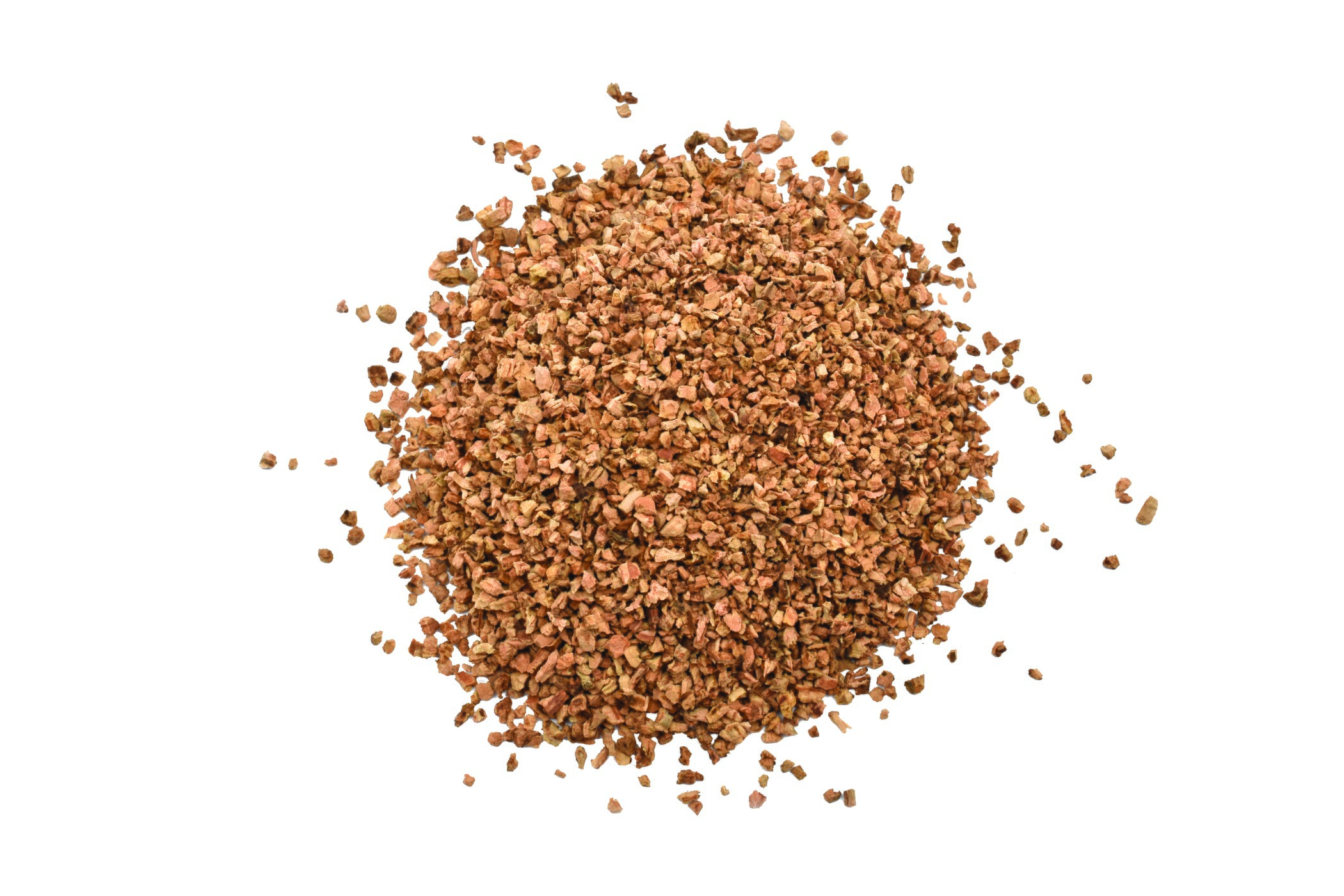
Cork as infill
Cork is one of the best-known natural infill materials. It is produced from the bark of the cork oak and has the advantage of being a renewable raw material.
Advantages of cork:
- natural origin
- lower surface temperatures on hot days
- good shock absorption
- positive image in terms of sustainability
At the same time, cork requires specific attention during design and maintenance. As the material is lighter than rubber, it can be more susceptible to displacement by wind or intensive use. The choice of cork must therefore always be considered within the overall system design of the artificial turf pitch.
-
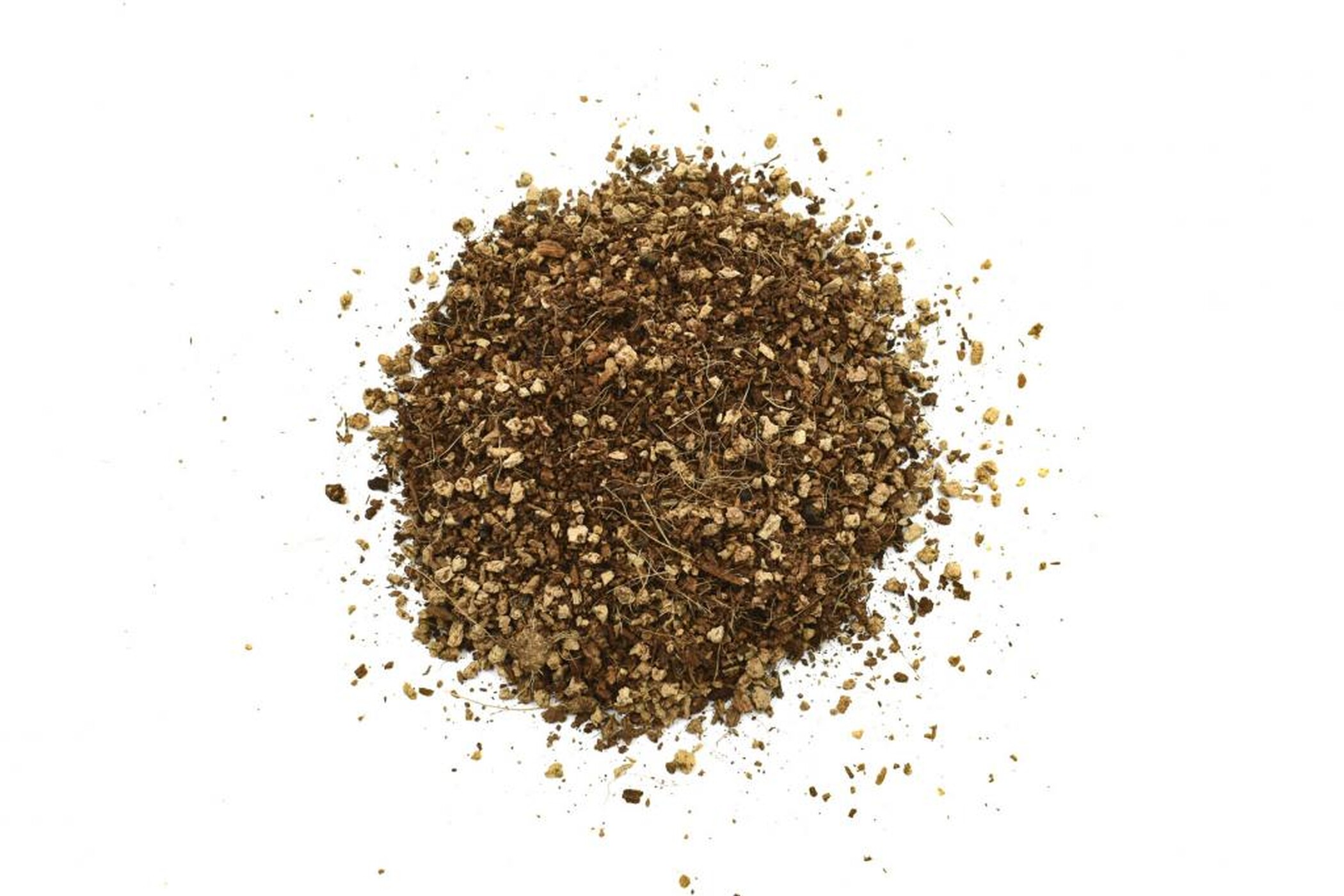
Organic infill materials
In addition to cork, other natural materials are also used, either on their own or in combination. Depending on the sport, intensity of use and local conditions, these solutions can offer interesting alternatives.
-
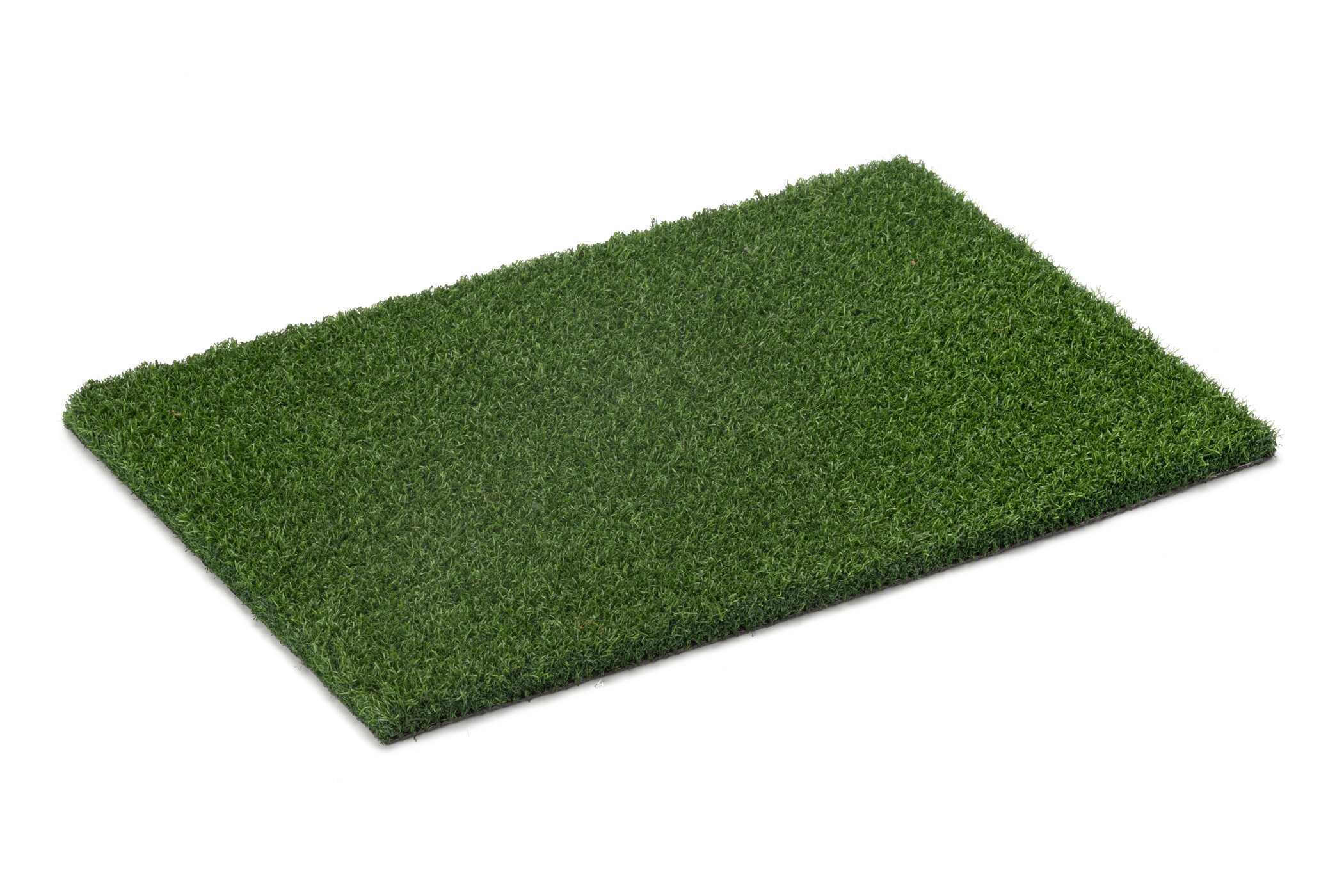
Non-infill systems
Another development is the emergence of modern non-infill artificial turf systems. These systems greatly reduce or completely eliminate the use of loose infill.
For certain sports and applications, these systems offer a future-proof alternative, particularly where sustainability and ease of maintenance are key considerations.
The Pure PT™ artificial grass system utilises an innovative fibre composition that eliminates the need for traditional infill, whilst maintaining player comfort and performance. This makes it an attractive option for organisations wishing to anticipate future regulations on infill materials today.


Experiences with cork as infill for artificial turf
Experiences with cork have been largely positive, particularly among clubs that value natural materials and a lower heat build-up on the playing surface.
However, there is no one-size-fits-all solution that is ideal for every sports pitch. Factors such as the type of sport, frequency of use, climate, maintenance strategy and budget ultimately determine which infill is most suitable.
It is therefore important to consider not only the regulations, but also the overall life cycle of the artificial turf system.
What does this mean for sports clubs and local authorities?
European regulations do not create an immediate obligation to replace existing artificial turf pitches containing rubber granules. However, it is clear that the market is moving towards alternatives that are less reliant on synthetic polymers.
For new projects, it is therefore wise to take the situation after 2031 into account right from the start. A forward-looking choice can minimise the need for future modifications and contribute to the organisation’s sustainability objectives.
Namsports supports the transition to the next generation of artificial turf pitches
The switch from traditional rubber granules to sustainable alternatives involves more than just a choice of material. It concerns performance, maintenance, lifespan, regulations and total cost of ownership.
At Namsports, we closely monitor developments in artificial turf, infill technology and European regulations. In this way, we help sports clubs, schools, local authorities and project developers to make an informed choice for their next sports pitch.